
Tips, guides and news to grow your business · All articles

Importer, customs, 0% duties, sanitary checks, labelling, cosmetics, deforestation rules: the steps for an African or Caribbean producer to sell in European grocery shops.
On 17 November 2026, foodwatch published an Ifop poll showing that food recalls barely reach consumers, and called for more in-store information and more checks. Spices, flours, tinned goods: the checklist for an Afro-Caribbean grocery to handle a recall safely.
Tax-free purchases, intra-EU VAT number, reverse charge, VAT exemption for small businesses, alcohol: what every Afro-Caribbean shop owner in France should know before ordering from a Dutch wholesaler.
The EU is about to set binding maximum levels for mineral oil aromatic hydrocarbons (MOAH) in oils, spices and many foods, expected to apply from 2027. What it means for Afro-Caribbean grocery shops, plus a checklist to get ready.
Since February 2026, France has blocked imported foods with traces of five pesticides banned in the EU, and new EU limits apply from 29 January 2027. What this means for your purchases of mangoes, avocados, papayas or peppers, with a checklist.
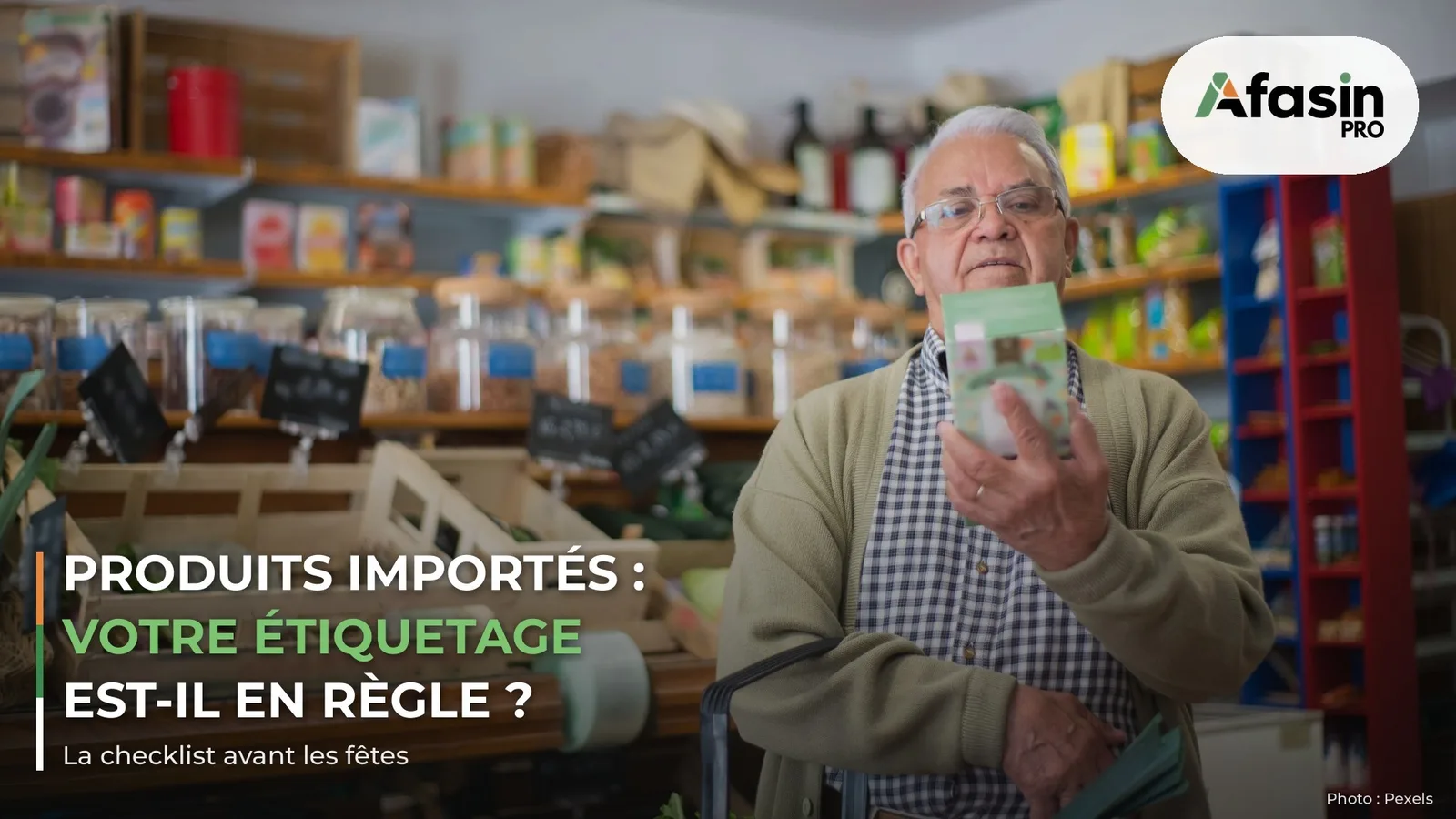
Rice, palm oil, spices, canned goods from Africa or the Caribbean: before stocking up for the holidays, check that every product shows the mandatory information in French. Our practical checklist.

Palm oil, cocoa, coffee, beef: the EU deforestation regulation applies from 30 December 2026 to large and medium companies, and from 30 June 2027 to small ones. Reseller or direct importer, here is what your shop actually needs to do.

Importing can multiply your margins by 2 or 3. But without preparation, it can also cost you dearly. Customs, compliance, lead times, MOQs: here are the 5 most common pitfalls.