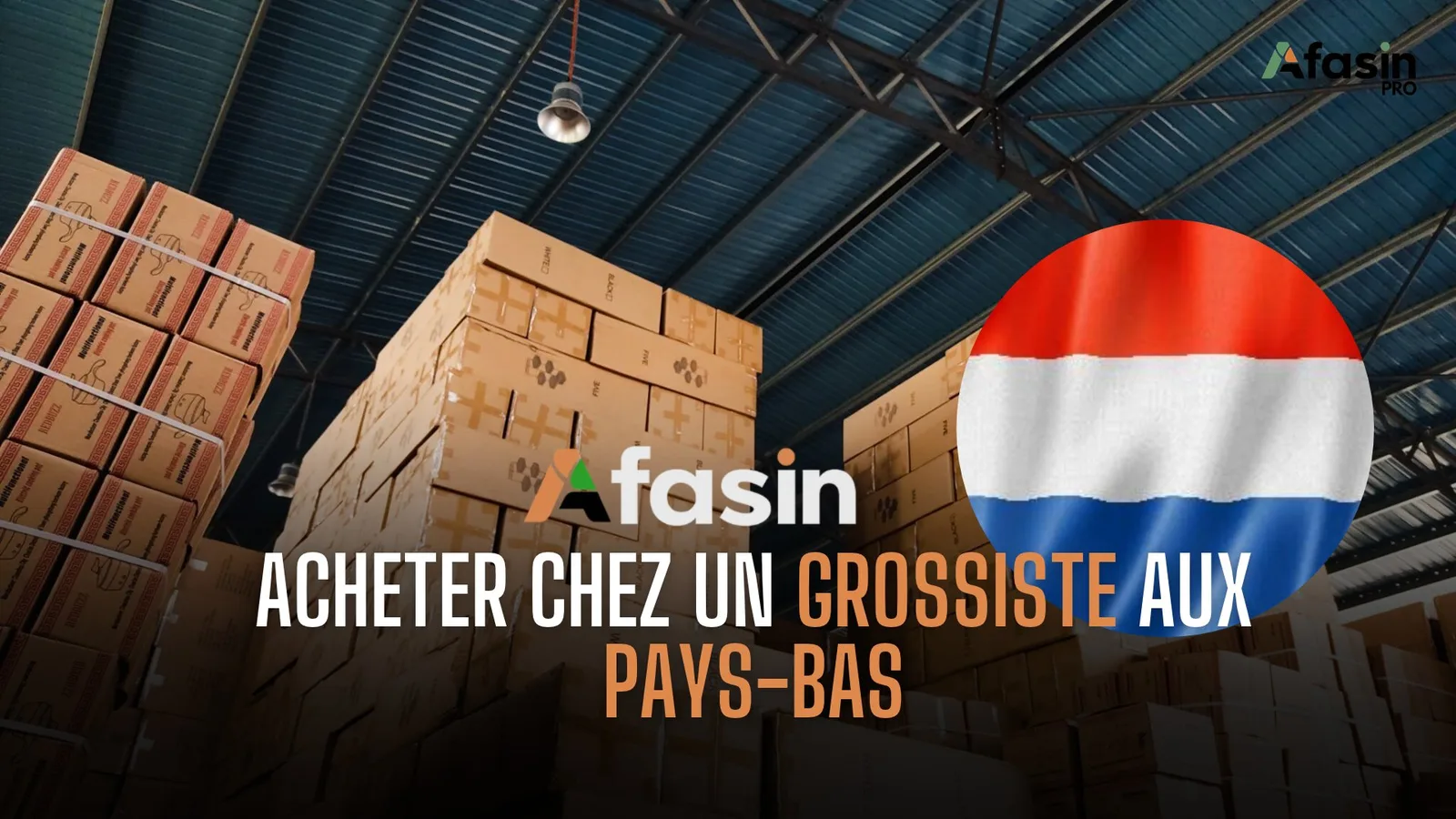
Tax-free purchases, intra-EU VAT number, reverse charge, VAT exemption for small businesses, alcohol: what every Afro-Caribbean shop owner in France should know before ordering from a Dutch wholesaler.
Many Afro-Caribbean shop owners in France buy from wholesalers in the Netherlands: the range of African and Caribbean products is wide and prices are often attractive. But when it comes to ordering, one question always comes up: how does VAT work? Do you pay Dutch VAT? French VAT? Both? Here are the answers, in plain terms.
Between two businesses in the European Union, goods shipped from the Netherlands to France are an intra-community acquisition. If you have a valid intra-EU VAT number, the Dutch wholesaler invoices you excluding VAT: 0% Dutch VAT.
But the VAT does not disappear: you declare it in France. This is called the reverse charge (autoliquidation).
Result: €0 to pay, and no cash tied up. It is even better than buying from a French wholesaler, where you pay the VAT and then wait to recover it.
In France, the VAT number is the intra-EU number. It is made of FR + 2 digits + your SIREN (for example FR 12 123456789). Businesses subject to VAT receive it automatically when they are registered.
Be careful: having this number is not enough, it must be active in the European VIES database. That is what your supplier checks. If your number does not show as valid there, they will charge you Dutch VAT.
This is the step people forget most often. You must:
Even though it costs you nothing, failing to declare it can lead to a 5% fine on the VAT involved. The simplest option: send the invoice to your accountant marked "intra-community purchase – Netherlands", or use the "intra-community purchase" option in your accounting software.
The VAT exemption scheme (franchise en base de TVA) applies to small businesses whose turnover stays below a threshold (€85,000 a year for the sale of goods in 2025, to be checked for the current year). They do not charge VAT to their customers (statement "TVA non applicable, art. 293 B du CGI") and cannot recover VAT on their purchases.
For them, things work differently:
| Shop owner's status | Real cost of the order |
|---|---|
| VAT-registered (standard scheme) | €2,500 (VAT declared and deducted) |
| VAT-exempt, with intra-EU number (French VAT 5.5%) | €2,637.50 |
| VAT-exempt, without intra-EU number (Dutch VAT 9%) | €2,725 |
Often, yes. Keep two points in mind:
If you buy regularly in the Netherlands, an intra-EU number lets you pay 5.5% French VAT instead of 9% Dutch VAT on food.
For alcoholic drinks (beers such as Guinness Foreign Extra, wines, rums…), VAT is not the whole story: you must also pay French excise duties, collected by customs. Since February 2024, a business receiving alcohol from another EU country must in particular be registered with customs as a certified consignee, and the goods must travel with an electronic document (e-SAD).
Before ordering alcohol, ask your wholesaler whether they deliver to France with duties paid. If not, contact your customs office, or remove the alcohol from the order. Goods without the right documents can be seized and fined.
This article gives general information, up to date on the date of publication. Rates and thresholds can change: have your situation checked by your accountant.
Till, stock, wholesale prices and online sales, in one app.