Palm oil, cocoa, coffee, beef: the EU deforestation regulation applies from 30 December 2026 to large and medium companies, and from 30 June 2027 to small ones. Reseller or direct importer, here is what your shop actually needs to do.
In ten weeks, the EU Deforestation Regulation (EUDR) starts to apply. After two postponements and a round of simplifications, the timetable is now fixed, and the Commission has confirmed there will be no further delay. Several of our best-selling products are directly affected: red palm oil, cocoa and chocolate, coffee and beef. Should you worry? For most shops, no, as long as you know which category you fall into.
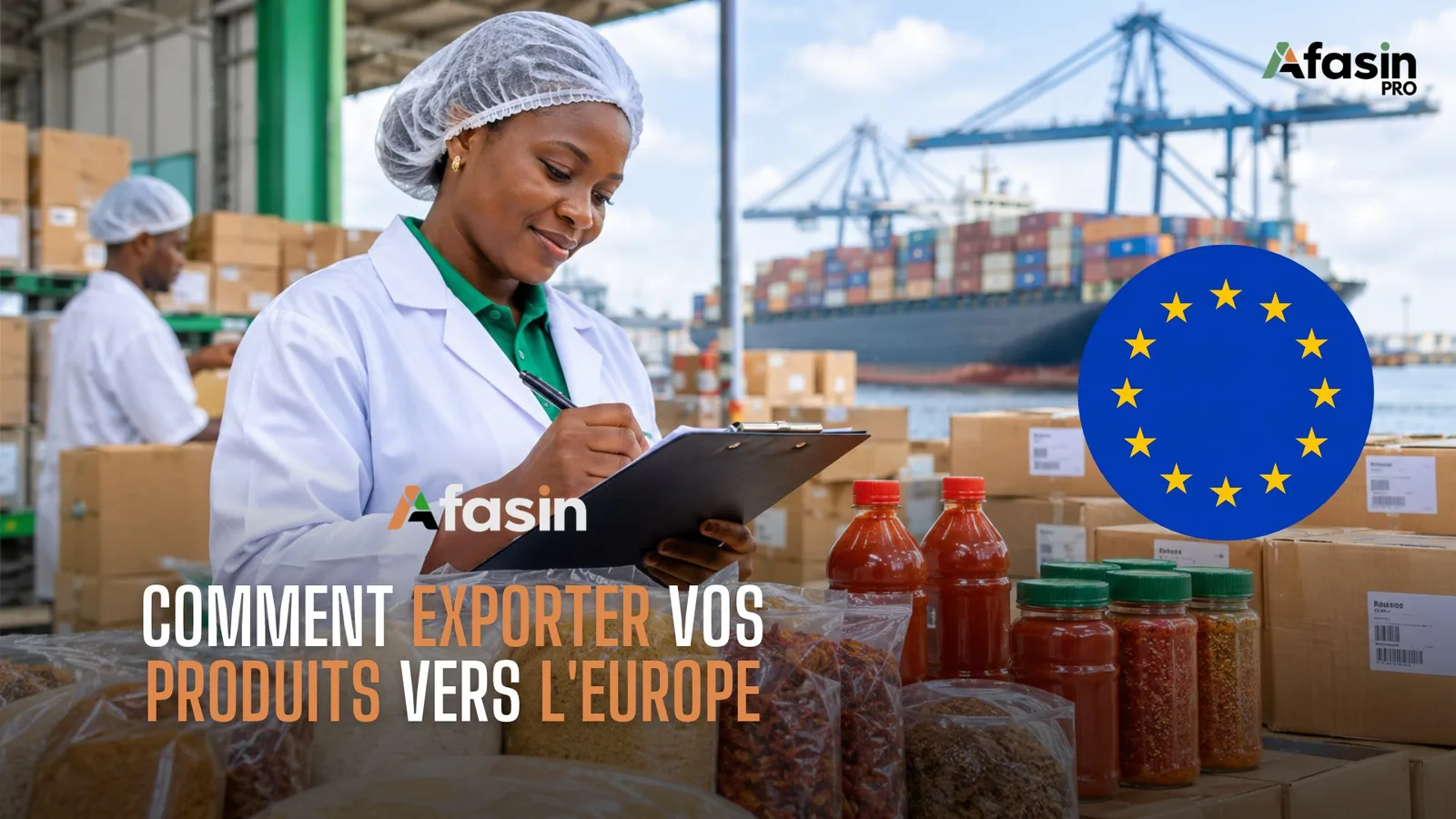
Products made from seven commodities (cattle, cocoa, coffee, oil palm, soy, rubber, wood) may only be sold in the EU if they do not come from land deforested after 31 December 2020 and comply with the laws of the producing country. The company that first places the product on the EU market (in practice, the importer) must prove it, by filing a "due diligence statement" in the EU information system.
This is the situation of most Afro-Caribbean grocers. You are not the one bringing the product into the EU: you are a downstream trader. The revision adopted at the end of 2025 greatly reduced your obligations:
Then you are an operator, and the rules are stricter. For each product concerned (red palm oil from Cameroon, cocoa from Côte d'Ivoire, coffee from Ethiopia…), you will need to:
If your business is a micro or small company, you have until 30 June 2027. That is tight when you rely on small producers in Africa or the Caribbean, so start asking your suppliers for this information now. Good news: small producers in countries classified as "low risk" can use a single simplified declaration.
Penalties are heavy: fines of at least 4% of EU turnover, confiscation of goods and revenue, and bans on placing products on the market. They mainly target operators, but a retailer who ignores a warning sign is not fully protected.
The real danger for our shops is not the fine, it is supply disruption: a small exporter unable to provide the required traceability may lose access to the EU market, and some typical products could become scarcer or more expensive. Conversely, supply chains that get organised (cooperatives, structured wholesalers) will become trusted partners. ACAC will follow this issue and share members' feedback on which suppliers are ready in time.
This article is general information, not legal advice. For a specific case, talk to your freight forwarder, customs or a specialist adviser.
Cover photo: Pexels (Pexels licence).
Till, stock, wholesale prices and online sales, in one app.